Strong IPTV 8K: The Provider Built Around Stability

What “Strong” Actually Means in IPTV 8K
The word “strong” gets thrown around loosely in IPTV marketing, but when it comes to Strong IPTV 8K, it refers to something specific and measurable: server uptime that holds during peak demand, a connection that doesn’t drop mid-stream during a live match, and channel switching that stays fast even when thousands of other subscribers are online at the same time. It’s less about a flashy feature list and more about the boring, unglamorous reliability that determines whether you actually enjoy watching or spend half the evening troubleshooting.
Most viewers only notice infrastructure quality when it’s missing — the buffering wheel during a goal, the channel that won’t load on a Friday night, the app that needs restarting twice before the picture settles. A genuinely strong IPTV 8K service is built specifically to avoid those moments, not just to advertise a big channel count.
Want to test the connection stability yourself?
Request a Free Trial on WhatsAppServer Infrastructure — The Real Foundation
Behind every Strong IPTV 8K subscription is a network of servers distributed across multiple locations rather than a single overloaded data center. This distribution matters more than most marketing pages let on — when one server region experiences unusually high demand, traffic can be balanced across others rather than everyone competing for the same limited bandwidth. It’s the same principle major streaming platforms rely on, applied to a live-television context where the margin for error is much smaller.
According to general definitions of IPTV technology, the technology itself simply transmits video as data over an internet connection rather than through broadcast signals — which means the provider’s own server setup, not the underlying technology, is what separates a strong, dependable experience from a shaky one.

Strong vs. Standard IPTV — Compared
| Feature | Standard IPTV | Strong IPTV 8K |
|---|---|---|
| Server Redundancy | Single region | Multi-region |
| Uptime During Peak Events | Variable | ✓ Consistent |
| Channel Switch Speed | 2–4 seconds | Under 2 seconds |
| Simultaneous Connections | 1–2 devices | 3+ devices |
| Support Response | Standard queue | Priority WhatsApp |
| Catalogue Maintenance | Irregular | Updated daily |
Not every provider structures their infrastructure identically, so it’s worth confirming these specific points directly rather than assuming every “strong” or “premium” label includes all of them by default.
Channel Lineup and VOD Library
A Strong IPTV 8K subscription covers the same breadth most viewers expect from a serious IPTV service: major sports networks, international entertainment channels, news, and a deep on-demand library spanning recent releases and classic titles. What differentiates it isn’t a longer channel list on paper — most competitive providers converge around similar numbers — but whether those channels actually stay online and in sync with their EPG data day after day.
For a full breakdown of exactly which sports networks and competitions are included, see our dedicated IPTV sports channels guide, which covers coverage by broadcaster in detail.
Live Entertainment and International Channels
Beyond sports, the live lineup spans UK free-to-air and pay channels, major French and German broadcasters, Arabic entertainment packages, and a comprehensive selection of children’s programming. Households with multilingual viewing habits or family abroad tend to lean heavily on this international breadth, and it’s worth checking during the trial period that the specific regional channels you care about are actually included and functioning.
On-Demand Films and Series
The VOD catalogue behind Strong IPTV 8K updates continuously rather than sitting static for months at a time. New releases typically appear within a few days of their streaming or physical availability, and when a series is added, all available seasons are included rather than a single partial run. Genre coverage spans well beyond English-language content, with a meaningful library of international cinema and series alongside mainstream releases.
Sports Streaming Reliability
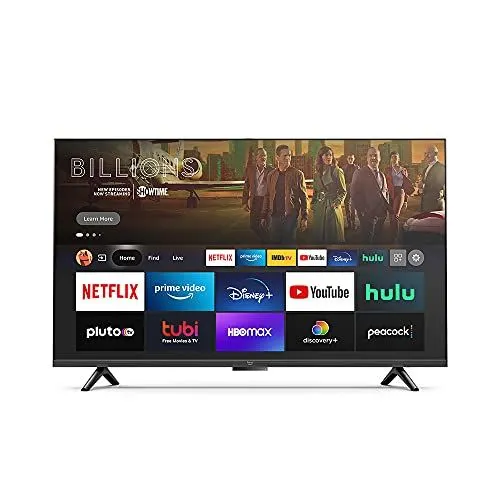
Live sport is the clearest stress test for any IPTV provider, since a single major fixture can bring a large share of subscribers online simultaneously. This is exactly where the difference between a strong IPTV 8K setup and a weaker one becomes obvious — server capacity built to absorb that spike keeps the stream stable, while thinner infrastructure buckles at precisely the moment viewers care about most.
Curious how it performs during a big match?
Ask Us on WhatsAppDevices and Setup
Setting up Strong IPTV 8K follows the same process regardless of device: after confirming your plan on WhatsApp, you’ll receive Xtream Codes credentials or an M3U link to enter into a compatible player app such as IBO Player, TiviMate, or IPTV Smarters Pro. For Fire Stick specifically, our Fire Stick IPTV setup guide walks through the full installation from download to first channel load.
The service works across Smart TVs, Android TV boxes, Fire TV devices, phones, and tablets, with the same credentials usable across multiple compatible devices depending on your plan’s connection limit. Additional configuration resources are also available through IBO Player Pro UK for viewers using that specific app.
Strong IPTV 8K — Pricing Plans
Every plan includes full access to the live channel lineup, VOD library, EPG, and priority support — longer durations simply lower the effective monthly cost.
| Plan | Price | Monthly Equivalent |
|---|---|---|
| 1 Month | €14 | €14.00 |
| 3 Months | €24 | ~€8.00 |
| 6 Months | €34 | ~€5.67 |
| 12 Months | €48 | ~€4.00 |
For viewers comparing multiple options before committing, our sister service Strong IPTV 8K offers a directly comparable plan structure, and our broader guide to choosing an IPTV provider covers the criteria worth checking before any long-term subscription.
Why Reliability Beats a Bigger Channel Count
It’s tempting to judge an IPTV provider purely by the number on their homepage — 50,000 channels sounds more impressive than 40,000. In practice, a smaller but consistently maintained lineup beats a larger one riddled with dead channels and outdated EPG data. A strong IPTV 8K approach prioritizes keeping what’s advertised actually working over inflating the number itself, which tends to matter far more for day-to-day satisfaction than the headline figure.
A useful way to think about it: a provider listing 80,000 channels where a quarter are dead links delivers less real value than one listing 55,000 channels that all actually play on demand. The number on the page is easy to inflate; keeping thousands of live streams online and synced every single day is not, which is exactly why infrastructure investment — not catalogue size — is the honest differentiator between providers.
What to Ask Before Subscribing
A short conversation before paying for a longer plan can save real frustration later. Worth asking directly: how many devices can stream simultaneously on this specific plan, what happens if a channel goes down and how quickly is it typically fixed, and is a free trial available to test stability before committing to 6 or 12 months. A provider confident in their own strong IPTV 8K infrastructure will usually answer these plainly rather than deflecting with generic marketing language.
- How many simultaneous connections does my specific plan include?
- What’s the typical fix time when a channel drops or malfunctions?
- Is a free trial available before I commit to a longer duration?
- Which payment methods are accepted, and is the process handled directly over WhatsApp?
- Does the plan support 4K and 8K specifically, or only advertise it in general terms?
Testing Before You Commit
The only reliable way to judge whether a provider lives up to the “strong” label is to test it yourself, ideally during a peak-hour evening rather than a quiet afternoon. A short free trial lets you check channel switching speed, picture stability during a live event, and how quickly support responds if something doesn’t load correctly — all before paying for a longer plan.
Support That Actually Responds
Server reliability solves most problems before they happen, but no infrastructure is completely immune to the occasional hiccup — a channel briefly dropping, a device needing re-authentication after a network change, a question about setup on a new TV. What separates a genuinely strong IPTV 8K provider from a mediocre one is how quickly and how directly those moments get resolved. A message sent over WhatsApp that gets a real, specific answer within minutes is a completely different experience from submitting a ticket into a queue and waiting a day or more for a generic reply.
This is worth testing during your trial period rather than assuming it will be fine once you’ve already paid for a full year. Send a real question, note how long the reply takes, and judge whether the answer actually addresses what you asked or just repeats a canned script. That short interaction tells you more about ongoing reliability than any channel count on a homepage ever will.
Multi-Device Households and Strong IPTV 8K
Households rarely watch on a single screen anymore. A parent catching the news in the kitchen, a partner watching a series in the bedroom, and a shared television in the living room running live sport all at once is a completely normal Tuesday evening for many subscribers. A strong IPTV 8K plan built for this reality supports multiple simultaneous connections without forcing every household member to fight over who gets access at any given moment.
Before committing to a plan, it’s worth being honest about how your household actually watches. A single-person household with one television has very different needs from a family running three or four devices at once, and confirming your connection limit directly during the WhatsApp conversation avoids any confusion once you’ve already started using the service.
Common Streaming Problems and How Strong Infrastructure Prevents Them
Most of the frustrations people associate with IPTV in general — buffering during a big match, a channel that won’t load, a slow app that takes several seconds to switch — trace back to the same root cause: server infrastructure that wasn’t built to handle real demand. A strong IPTV 8K setup addresses each of these directly rather than leaving viewers to work around them.
- Buffering during peak hours: Solved through multi-region load balancing rather than routing every subscriber through a single overloaded server.
- Channels that silently stop working: Solved through active daily monitoring and a maintenance team that replaces dead streams rather than leaving them listed indefinitely.
- Slow channel switching: Solved through server response time optimization, keeping switching consistently under two seconds rather than the four-plus seconds common on weaker setups.
- Outdated EPG data: Solved through a program guide that’s synced regularly, so what’s listed actually matches what’s airing.
Strong IPTV 8K Compared to Cable and Traditional Streaming
Cable and satellite packages typically lock subscribers into 12 to 24-month contracts with prices that climb every renewal cycle, often reaching €60-€90 per month once sports add-ons are included. Individually subscribing to several streaming platforms to replicate similar coverage adds up just as quickly. A strong IPTV 8K plan consolidates live channels, sports, and an extensive VOD library into a single subscription with no fixed contract, at a fraction of that combined monthly cost.
The trade-off worth being upfront about is that IPTV depends entirely on your own internet connection rather than a dedicated satellite or cable feed, which means a poor home network will limit the experience regardless of how strong the provider’s own infrastructure is. Confirming your connection speed before subscribing removes almost all of that uncertainty in advance.
Choosing the Right Plan Length
First-time subscribers are generally better served starting with a shorter plan — a single month gives enough time to properly evaluate stability across different times of day, including at least one busy evening or live sporting event. Once that month has confirmed the service holds up under real conditions, moving to a 6 or 12-month plan becomes a low-risk decision rather than a leap of faith, and the savings on a longer commitment become real rather than speculative.
Internet Requirements for Strong IPTV 8K
No amount of provider-side infrastructure compensates for a weak home connection, so it’s worth checking your own setup honestly before subscribing. A stable 15-20 Mbps connection is generally sufficient for Full HD, while 25 Mbps or higher is recommended for consistent 4K playback without periodic quality drops. For households streaming on multiple devices at once, adding roughly 10-15 Mbps of headroom per additional simultaneous stream avoids one device’s playback affecting another’s.
Wired Ethernet connections are consistently more stable than Wi-Fi, particularly for a television or box positioned some distance from the router. Where running a cable isn’t practical, positioning the router as close as possible to the primary viewing device, or using a mesh Wi-Fi extender, meaningfully reduces the kind of intermittent buffering that’s often mistaken for a provider-side problem when it’s actually a local network issue.
Final Thoughts on Strong IPTV 8K
Choosing an IPTV provider ultimately comes down to trusting that what’s advertised will actually hold up once you’re watching it in real conditions — during a busy Friday evening, mid-match on a Saturday afternoon, or any other moment when server load is highest. Strong IPTV 8K is built around exactly that standard: consistent uptime, fast support, and a catalogue that’s actively maintained rather than left to decay. Testing it directly with a short trial remains the most reliable way to confirm that for yourself before committing to a longer plan.
Ready to test Strong IPTV 8K yourself?
Get Your Free TrialFrequently Asked Questions
What makes Strong IPTV 8K different from a standard plan?
Multi-region server redundancy, faster channel switching, priority support, and daily catalogue maintenance — built specifically to hold up during peak-demand hours like major live events.
Does Strong IPTV 8K actually support 8K playback?
Yes, on compatible displays and select high-resolution content. Most everyday viewing runs in 4K or Full HD depending on the source and your device.
How many devices can I use at once?
This depends on your plan — most Strong IPTV 8K plans support three or more simultaneous connections. Confirm your specific plan’s limit when ordering.
Is there a free trial available?
Yes. Contact us on WhatsApp and we’ll activate a short free trial so you can test channel stability and picture quality before subscribing.
What internet speed do I need?
A stable 15–20 Mbps connection covers Full HD comfortably; 25 Mbps or higher is recommended for consistent 4K playback.